
Westbank: our new approach to SROI, tried and tested with in Devon
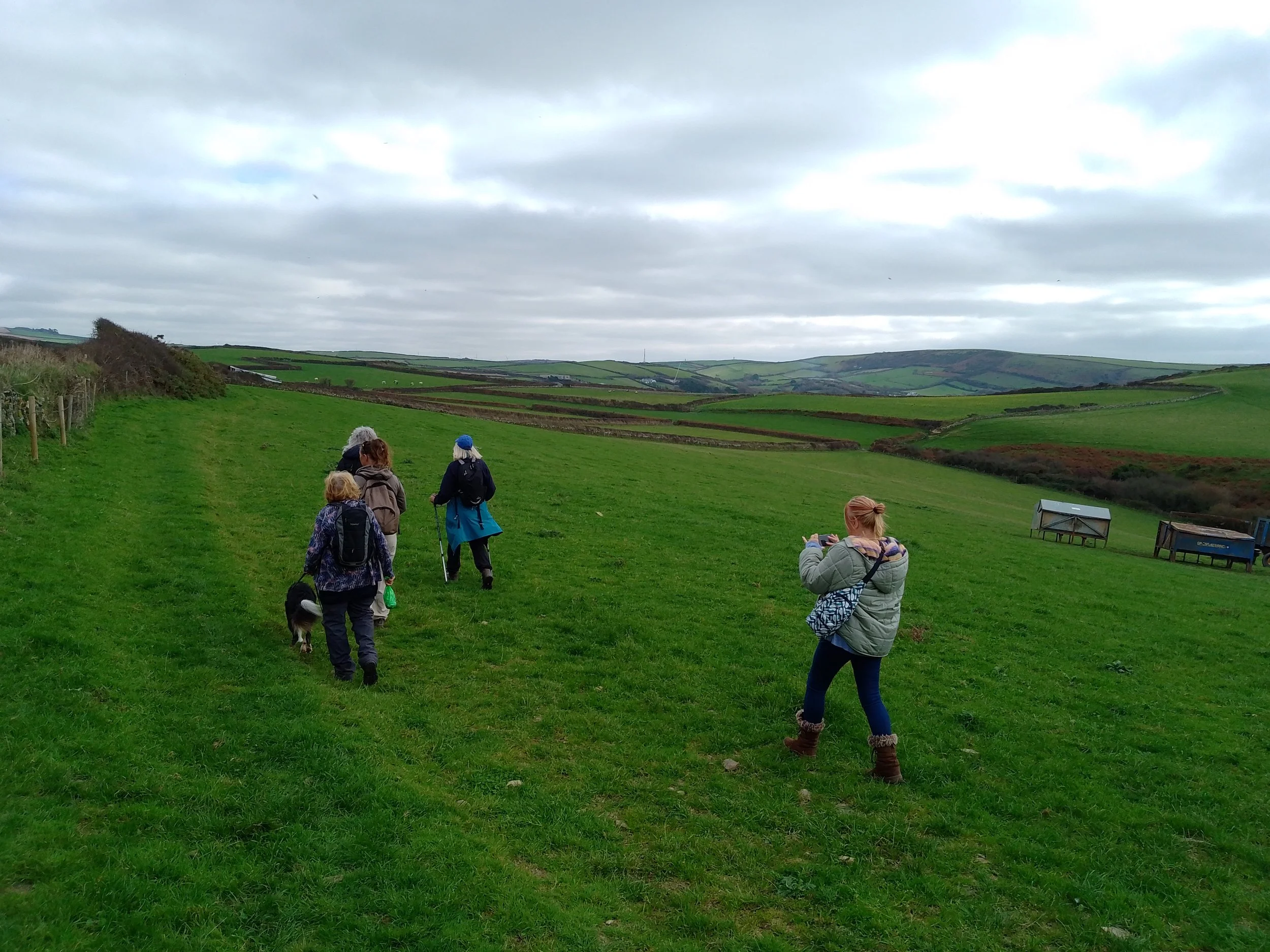
Diana's life changed overnight. She had always been active, sport had been central to her identity for as long as she could remember and her working life had been busy, sociable and purposeful. In a short period, a serious health event took her physical capacity, her professional role, and the social world that had been built around both. She came home from hospital to find that the things that had defined her - movement, usefulness, people - were no longer reliably available. She was in pain. She was waiting for NHS support that was slow to arrive. She was, by her own account, becoming someone she didn't recognise.
Two ten-week courses at Westbank's community gym later, she was walking normally, off painkillers, and going up stairs without thinking about it. Her strength and balance were coming on leaps and bounds. The things she'd given up - walking on uneven ground, carrying shopping, moving through the world without calculating the risk - came back to her. Now she volunteers there herself.
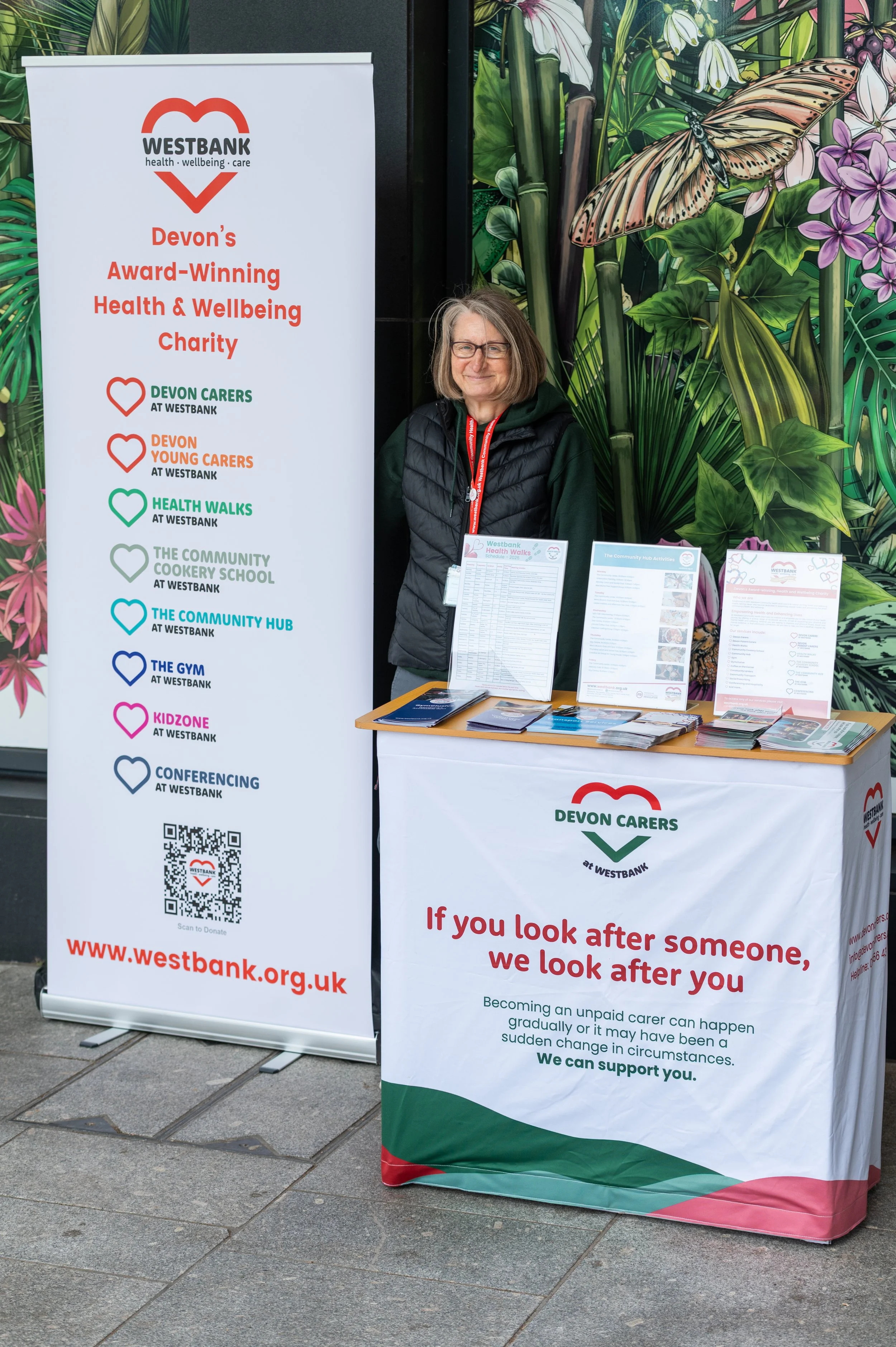
We've known about Westbank for a while. They're a holistic, preventive, multi-service organisation based in Devon, working to promote health and wellbeing across all ages. In the last three years, they have supported more than 40,000 people across the South West - people facing isolation, ill health, the weight of caring for someone else, and a statutory system that's hard to navigate, especially when you're already worn down, vulnerable or exhausted.
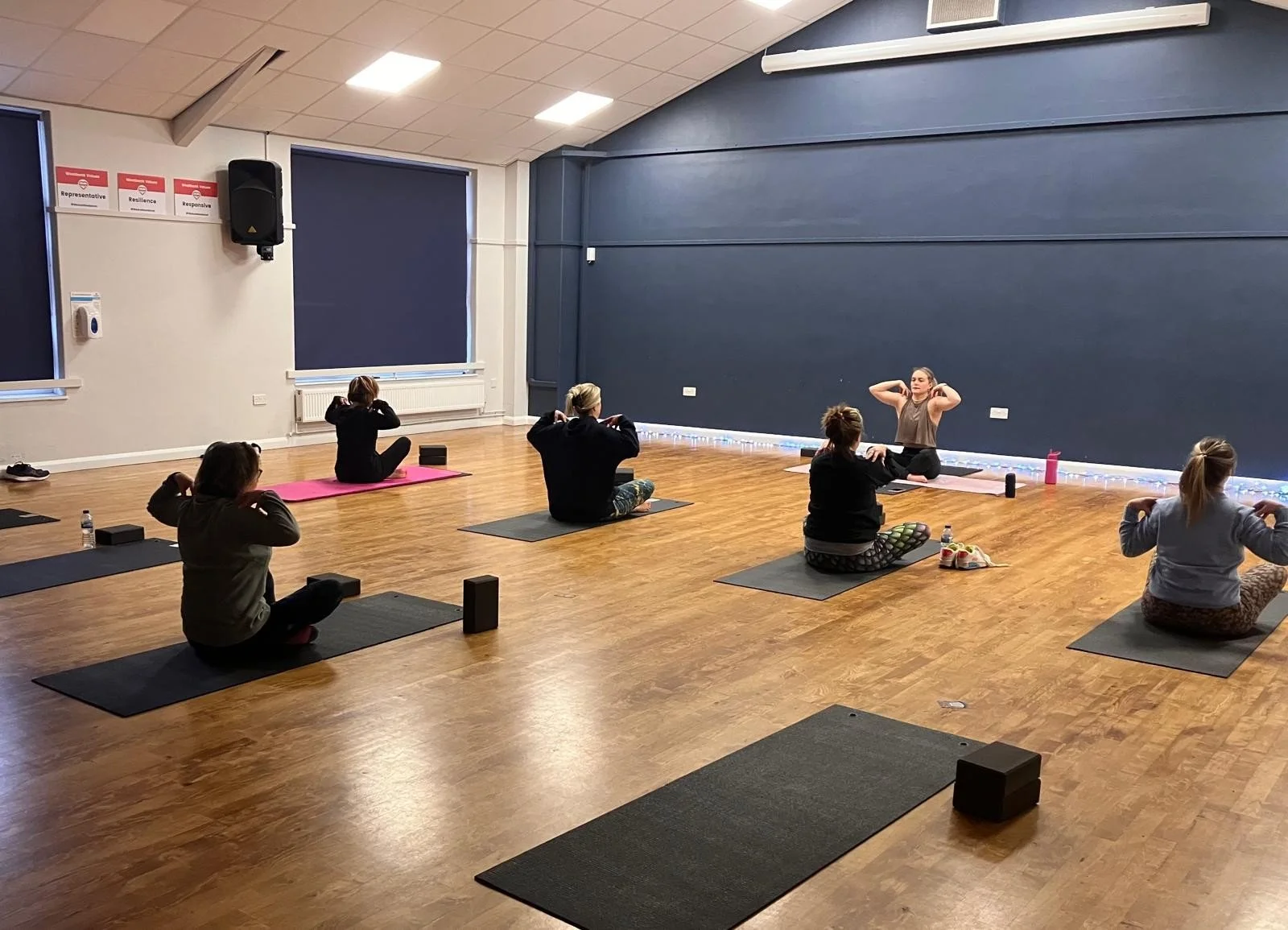
Westbank runs eight services from a hillside outside Exeter: transport, a community gym, health walks, a community hub, a cookery school, carers support, social prescribing and volunteering. They are not eight separate things. Transport feeds the gym. The gym feeds the walks. Social prescribing feeds the larders, the hub and the carers service. People move between three or four services without a single cross-boundary referral, because it is all one organisation, one building, one relationship.
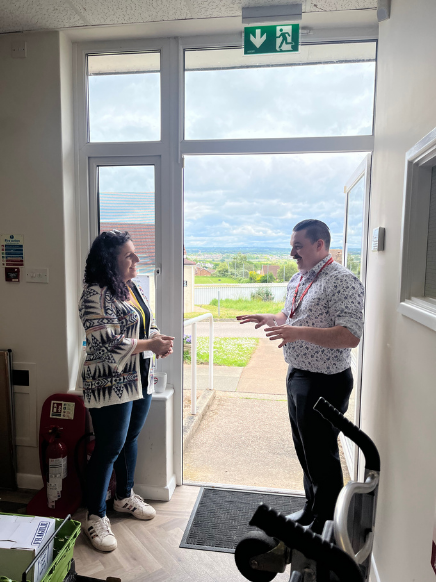
But Westbank came to us with a problem. Although their services synergistically complement each other, it was proving tricky to capture and convey their multifaceted impact succinctly and to multiple audiences.
Westbank knew how valuable Social Return on Investment (SROI) can be in this situation. SROI measures social value using financial proxies, meaning it expresses vast, multidimensional impacts into one clear number that multiple audiences can grasp.
But SROI has a catch. Calculating it properly for a large organisation can be a costly, lengthy process - and on top of that, the calculations are often so complex they become hard to follow, and therefore hard to trust.
We know that human beings have a natural aptitude for following, and remembering, stories. Based on this, we came up with an innovative approach to tackle Westbank’s problem.
What we did differently
We combined the best of two typically quite different approaches to impact measurement and evaluation: storytelling and SROI.
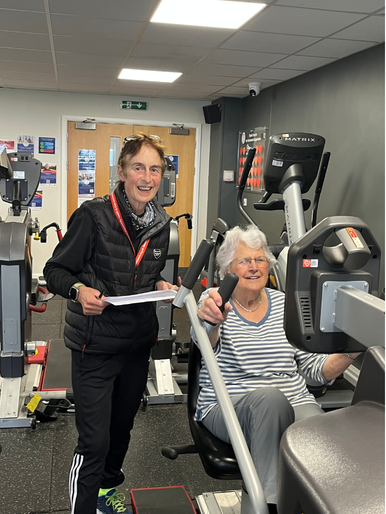
We decided to focus on eight real people’s stories and calculate the social value that has been generated through and for them. The calculations were grounded in reality - they were based on outcomes we know for certain have actually transpired for real people.
We worked with Westbank's eight service area leads to identify an ‘archetype’ service user for each service area. Each of these eight people were interviewed to draw out their story - how Westbank’s support has impacted them directly, the knock-on effect, as well as what would have likely happened to them if the support hadn’t been there.
Then, for every outcome in every story, we asked four questions:
What's it worth? We found a financial proxy - which was sometimes clear, like a physio appointment that wasn’t needed, or sometimes we leant on established sources, such as the HACT UK Social Value Bank.
How much of it was Westbank? Almost nobody's life changes because of one organisation. Family, other services and the person's own effort all contribute.
Would it have happened anyway? Some people would have got part of the way there regardless, so we made deductions for that.
Does it last? For anything lasting more than a year we shave the value down annually, because benefits fade with distance from the thing that caused them.
Based on these eight examples and by reviewing the detailed outcomes and impact data already held by Westbank, we were able to extrapolate service-level and organisation-wide estimates.
What we found
According to our rigorous and conservative calculations, for every £1 spent by Westbank, £11.75 of social value is generated — of which approximately £5.81 is cost the NHS and local authorities never incur, with the remaining £5.94 accruing as social value added rather than public money saved. In total, that is £19,128,546 the NHS and local authorities never have to spend - and even this high number is a huge underestimate.
But the number is not the interesting part. The interesting part is why it is so high - and why the true value is likely to be even higher.
Why everywhere needs a Westbank
Anyone working in public services or the social sector knows the thing we all struggle to act on: the need for preventative support which treats each individual as a whole person, who typically has a range of complex needs, and who, once vulnerable, will struggle to navigate the system on their own. The woman recovering from a stroke also cannot get to her gym rehabilitation classes, and is also becoming isolated, and also has a husband on the verge of giving up work to drive her there.
Treat that as four referrals to four organisations and you get four partial results and an exhausted individual who wants to give up. Treat a person as a whole person, through one front door, and you get a recovery, genuine transformation, and a person who wants to give back to the community around them. This is what Westbank does - and somehow they make it look effortless (although it is not).
The returns compound because Westbank does not just run the rehabilitation programme; it removes the barriers stopping people from reaching it, and adds the social support that turns a course of exercises into a changed life. When that person then becomes a volunteer, the positive changes are locked in. Prevention that wraps around a whole person keeps paying out for years.
The NHS 10 Year Health Plan asks for a shift from hospital to community and from sickness to prevention. Andy Burnham's Big Conversation on Care is asking the country what an integrated system should look like.
Here is our answer: you do not need to invent it. A holistic, community-based, preventative model already exists — on a hillside outside Exeter, largely run by volunteers, and in several cases funded by nobody at all. It is already doing, at neighbourhood scale, what the plan describes. It is also subsidising the statutory system rather than being subsidised by it.
Value what you have. Fund what you have. Westbank is not a nice-to-have. It is essential health and wellbeing infrastructure, and it deserves to be funded like it.
Could this approach work for you?
If your organisation has the same problem Westbank had - layered, multidimensional impact that's hard to explain - then this approach would work well for you. It's faster and cheaper than a full conventional SROI, and it’s based on real stories, and their real outcomes that are easy to follow and connect with.
