
What does the least friendly place in England know about togetherness?
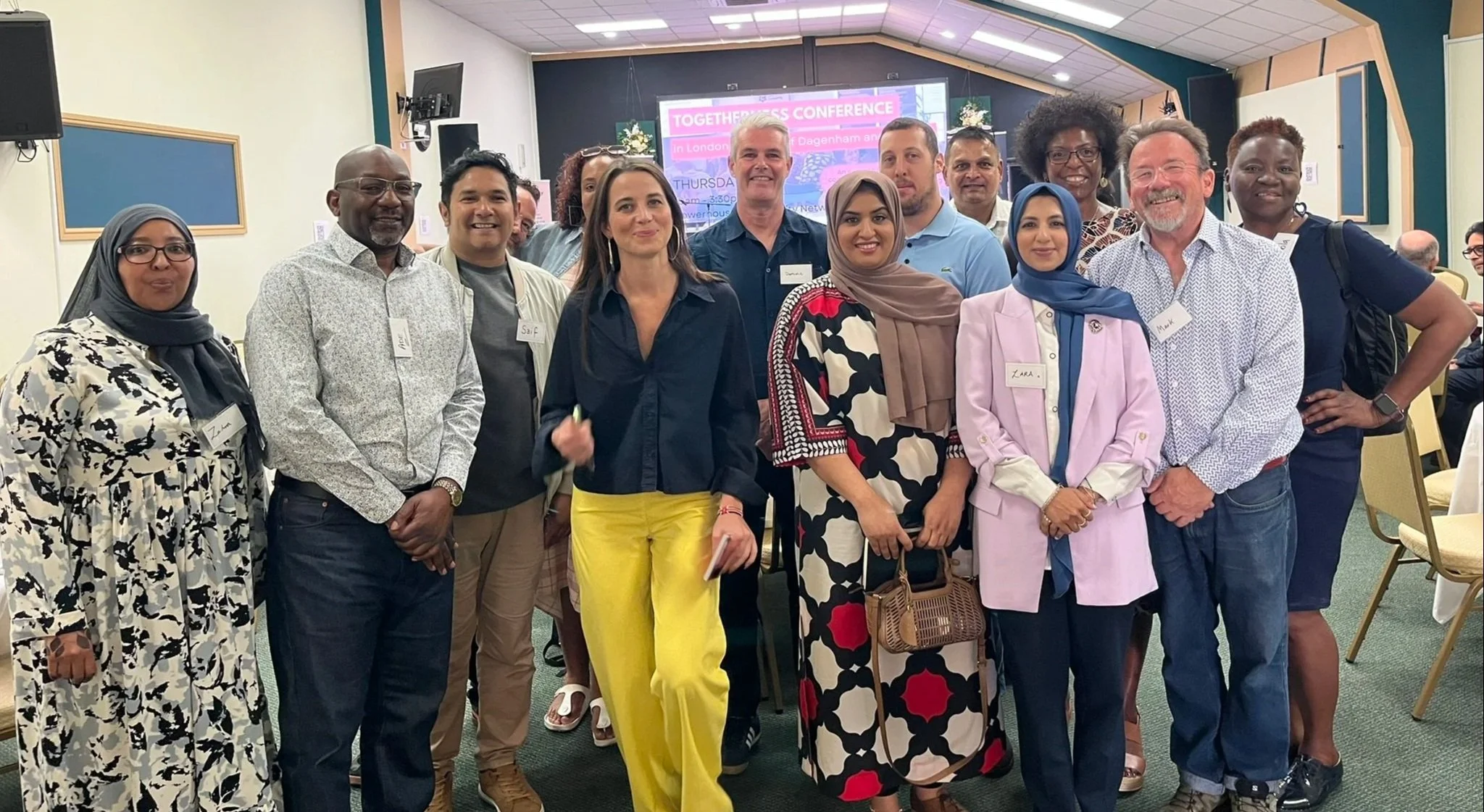
In August, a national index ranked Barking & Dagenham last of all 296 areas in England for ‘friendliness’. People who live there were quick to disagree, and so were we. A few weeks earlier, we’d brought 75 people from charities, community groups, faith organisations and the Council together in Dagenham. What we found was a borough full of people who care deeply, mostly working in separate rooms.
One person told us afterwards it was "amazing to be in a space where colour, faith and culture were invisible and the focus was on shared values and aspirations."
For our co-founder, Mark Ereira-Guyer, this one is personal. Both sets of his grandparents were rehoused in Dagenham before the war and stayed there almost all their lives. Born and bred East End.
“We are determined to support as much as we can in a borough which has more than its fair share of social challenges. Our role - our ‘superpower’ - is to bring a wide range of community sector organisations and local leaders together to rally them behind the Steps to Togetherness conceptual framework, and to drive and support the fresh approaches and newfound energy that emerges as a result.” Mark Ereira-Guyer
Whether you know Barking and Dagenham or not, if you’re interested in health, equality, or social cohesion and how civil society can work better with local government to bring all these things about - keep reading to find out how it started, how it went and where it’s going.
How it started
In a nutshell
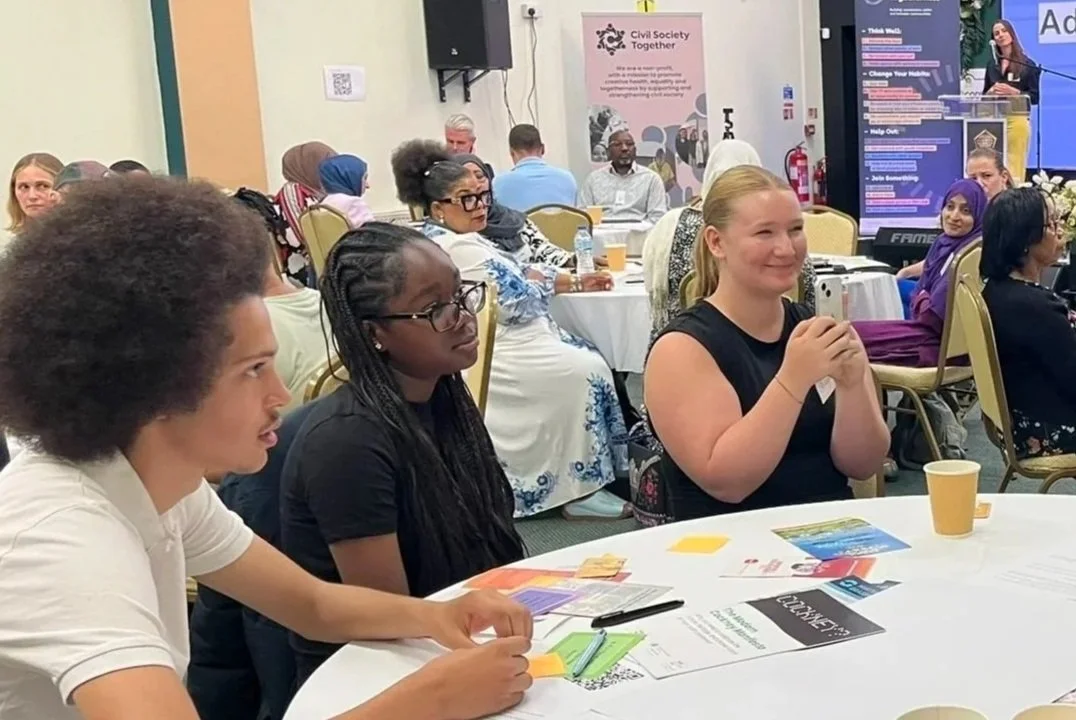
We gathered in a shady conference hall in sunny July around a simple core question: how do we build stronger connections within and between the borough's communities?
Two months on, that one day has become a shared vision, a growing partnership of local organisations and three funding bids. The biggest is a £3 million, five-year bid to the National Lottery.
The real test is what happens next. A day like this creates a lot of energy, and energy fades fast without the time and money to act on it. Making sure it doesn’t is the part that needs backing, and it’s the part we’re working on now.
About LBBD: more than its statistics
If you don't know the London Borough of Barking & Dagenham (LBBD), it sits on the eastern edge of London and is changing faster than almost anywhere in England. It has a 42% child poverty rate and 9.3% unemployment – the highest in the country. It is the borough of the National Front and the BNP, and also the borough that voted the BNP out in 2010, because people had patiently rebuilt trust between communities. Most people here still welcome whoever arrives.
The Leader of the Council, Cllr Dominic Twomey, put it plainly when he opened the Togetherness Conference. The question isn't just how deprived the borough is, it's "why are we the worst?" – when it sits inside the most financially vibrant city in the country, and other places with similar populations are doing better.
We’re not sure. But something is shifting. There's money and attention arriving that wasn't there a few years ago. The Council has reorganised around neighbourhoods and is saying, out loud, that it wants to work alongside the voluntary, community and faith sectors rather than simply commission them. Cllr Twomey called it "a moment of spotlight."
Great timing then.
Why (and how) did the conference come to be?
Our organisation has worked in LBBD, on and off, for more than 10 years. Our Co-founder Mark - even longer. And for us it's also family – Mark’s roots are here. We’d been mulling it over for a long time how we could bring Steps to Togetherness to the area, having brought Storytelling for Togetherness to the area in partnership with Barking Enterprise Centre (BEC).
However, the impetus for this event actually came from within the borough itself. Members of our Togetherness Lived Experience Panel (which is our national advisory group) that are based in LBBD urged us to bring the VCSE and statutory sector together - as we had done in Hackney. Zahra Ibrahim of Excel Women's Centre was the key firestarter. So we did, on a self-funded, pro-bono basis, as part of our Steps to Togetherness movement.
The aim was to keep an open mind, learn from each other, build a shared picture of what is already happening locally and what the barriers to doing more are. Loneliness, social isolation and a lack of connection were the themes we started from.
How it went
The day itself
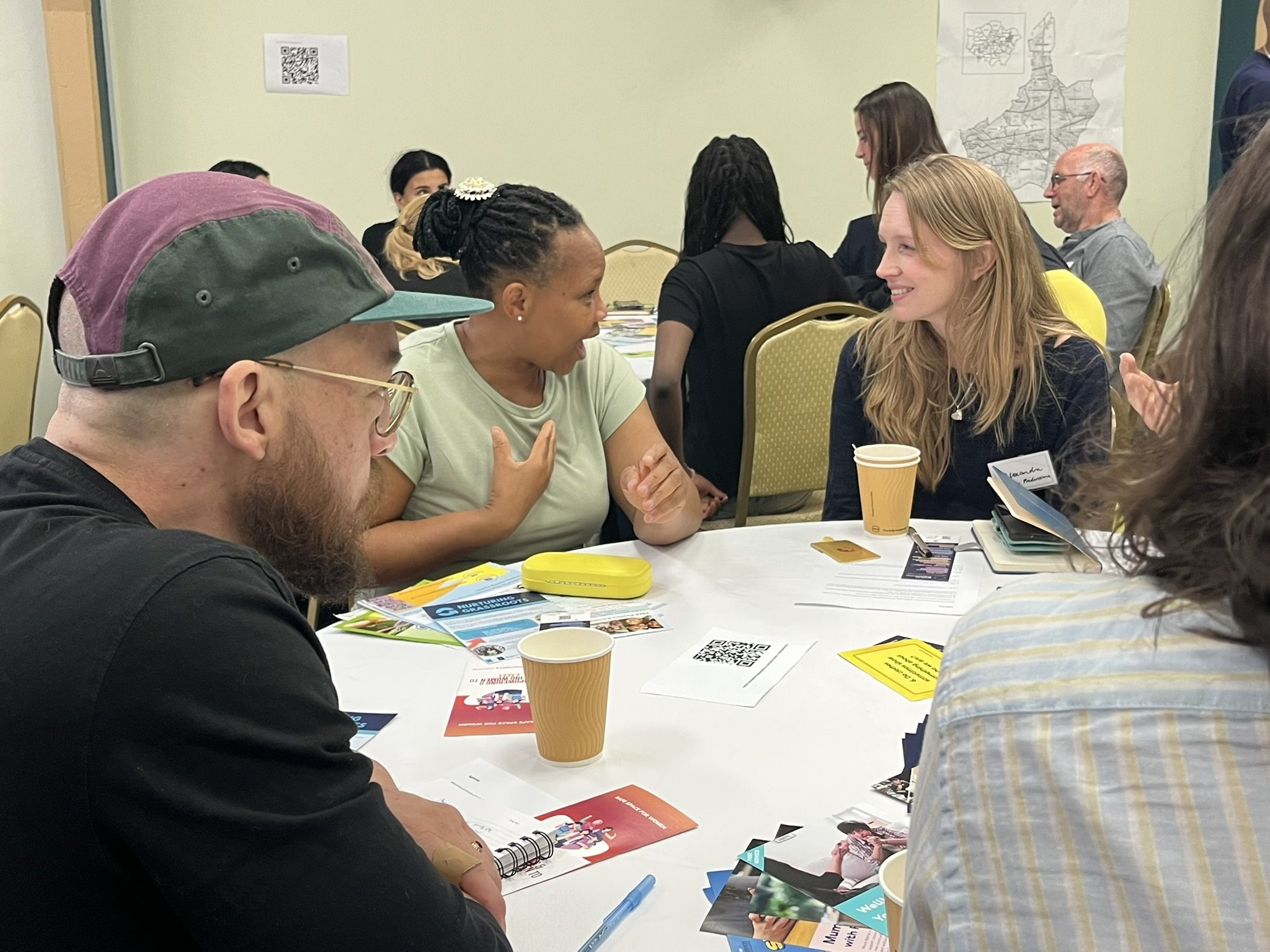
On 2 July, Power House Community Network hosted us in Dagenham. We felt at home the moment we walked in. There were hugs at the door, lots of laughter and a warmth in the room that didn't match the statistics one bit.
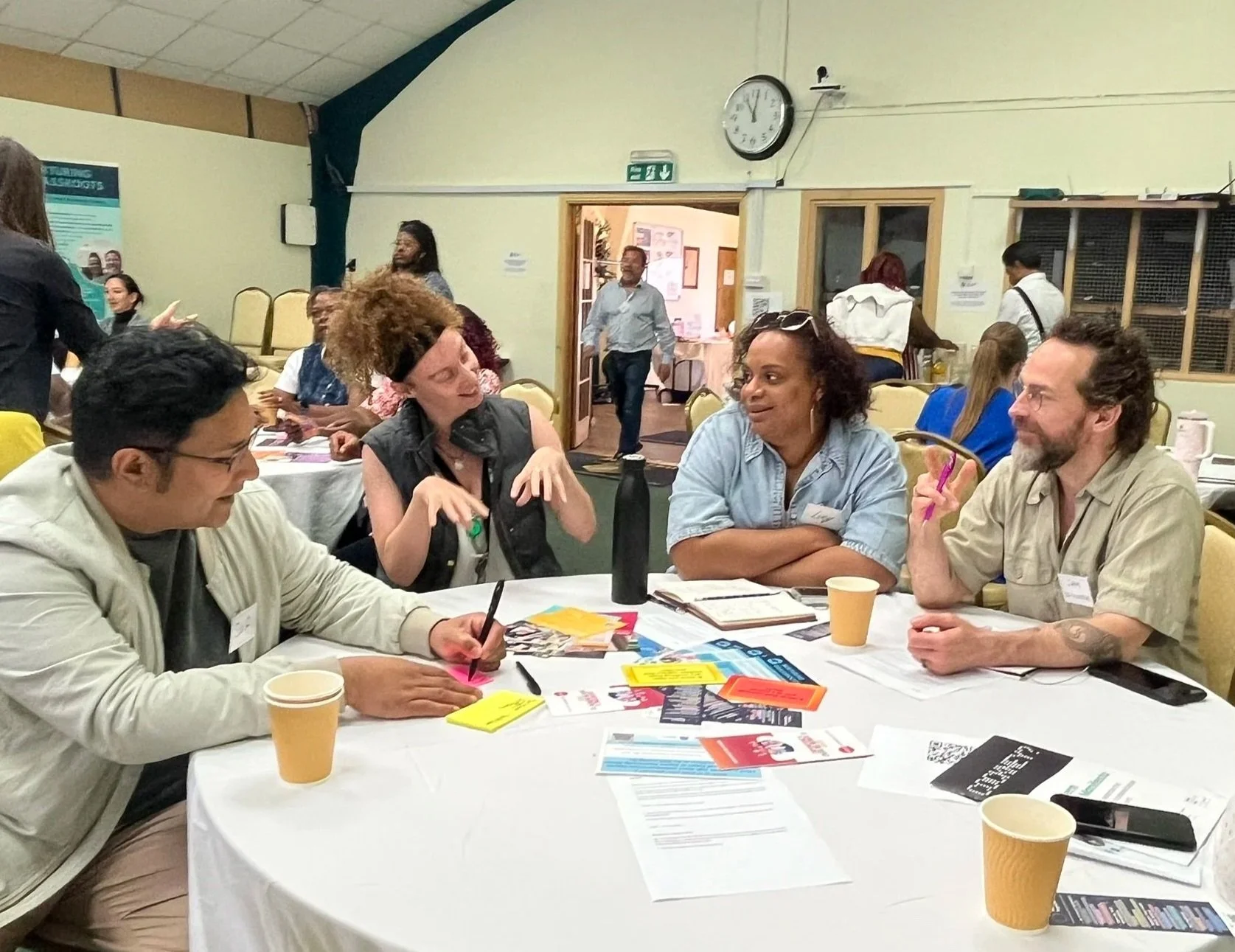
Throughout the day, we:
plotted the people and places that bring hope and belonging onto a physical map of the borough
explored the enablers and barriers to better connection and collaboration
heard showcases from Mind (Havering, Barking & Dagenham) and from Common Ground, whose conversation cards are already bringing people together locally
tried out A Very English Chat with Saif Osmani and Andy Green, to see if it could work as a tool for coming together across the borough
explored the National Lottery funding available for bringing communities together, with Georgie Barnes from the National Lottery Community Fund
What we took from it
We’ve been holding on to three main takeaways since July: the need for togetherness and integration within and between the VCSE and statutory sector; the abundance of strengths that can be leveraged in a strengths-led approach; and trust.
Here’s a little on each of those:
Cllr Twomey described going to one meeting full of well-meaning people, then a second with a completely different group, then a third with yet another group – all wanting the same thing. We are three rooms, not one. Nobody in the room was short of care or commitment. What's missing are the connections, time and resources to bring it all together.
We also heard what already works. A week before lockdown, more than 80 organisations filled the council chamber to work out what to do together, and faith and community groups led the response. Services practise "no wrong doors", so if the person who opens the door can't help you, they warmly hand you to someone who can. And food. Always sharing food!
When we asked everyone what they personally need in order to connect, the answer came back to trust. People need permission to be human, and to feel they won't be judged.
With thanks
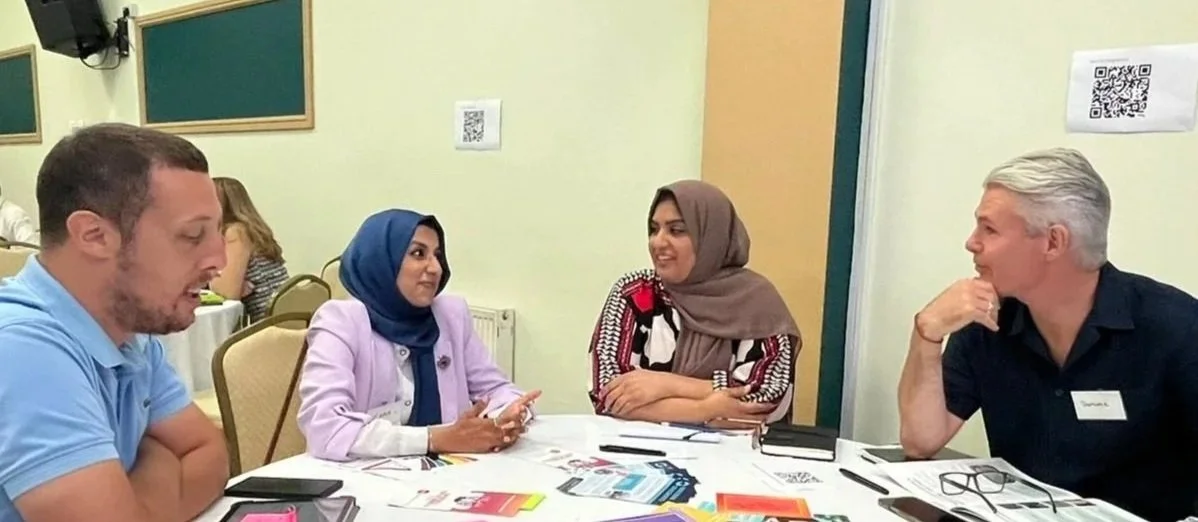
None of this happens without the people who made the day. Thank you, all of you, for the exceptionally high standard of engagement, camaraderie and expertise you brought to the day. Pastor Ade and the team at Power House Community Network hosted us and set the tone. Zahra Ibrahim and Excel Women’s Centre got the ball rolling, and Excel went on to lead the bid. Cllr Dominic Twomey and Cllr Saima Ashraf opened the day with real honesty, and our thanks go to Cllr Simon Perry and Cllr Rubina Siddiqui for their valuable support and input. Sarah Balser of Mind (Havering, Barking & Dagenham) and Dr Arinola Araba of bMoneywize CIC showed us work that is already changing things locally. Saif Osmani and Andy Green brought A Very English Chat, Ellie Cartwright at Hope not Hate led our mapping, Georgie Barnes of the National Lottery Community Fund talked us through funding, our director Zara Mohammed opened the panel, and James Baddeley helped turn it all into a bid.
Where it’s going
An emerging shared vision
From the day's conversations we co-produced an emerging shared vision built on four pillars:
strengthening connections between people and organisations
working and learning across boundaries
backing community leaders and growing what they've already built
using storytelling to turn connection into collective power
How it’s going: From vision to action: three bids
The vision is now shaping three funding bids.
UNITED Movers & Shakers in our Cities & Towns is our national bid to the National Lottery's Changemakers programme. It backs community leaders in Barking & Dagenham, alongside Hackney, Tower Hamlets, Birmingham, Greater Manchester and several other towns. Power House Community Network and Excel Women's Centre are its local partners.
All Together Now: Bringing Barking & Dagenham Together grew out of a collaborative follow up meeting on 17 July. It has now been submitted to the National Lottery Community Fund's Solidarity Fund, asking for £3 million over five years.
Who leads it: Excel Women's Centre, which coordinated the bid writing with James Baddeley, with unpaid support from us. Excel has spent almost thirty years creating spaces where women who first arrive seeking support go on to become volunteers, staff, trustees and leaders. All Together Now takes that approach borough-wide.
How it works: it starts with food, sport, arts, music, faith and neighbourhood celebrations – not as the outcome, but as the way people meet. From there the journey runs Connect, Listen, Grow, Act, Shape. Local people who already welcome others become Community Hosts and Community Leaders, with training and mentoring. A Together Fund puts small grants in residents' hands.
Its promise: if you share an idea with us, we will tell you what happened because of it.
The partnership so far: Excel Women's Centre, Civil Society Together, London Borough of Barking & Dagenham, Mind in Havering, Barking & Dagenham, Early Cocoon CIC, Together in Equity, Rootino CIC, Power House Community Network and The Great Counsellor Low Cost Counselling Services CIC. It's still growing.
The third bid is a partnership through our Nurturing Grassroots programme. It would bring more resources and capacity to local projects, and more of our Building Connections training.
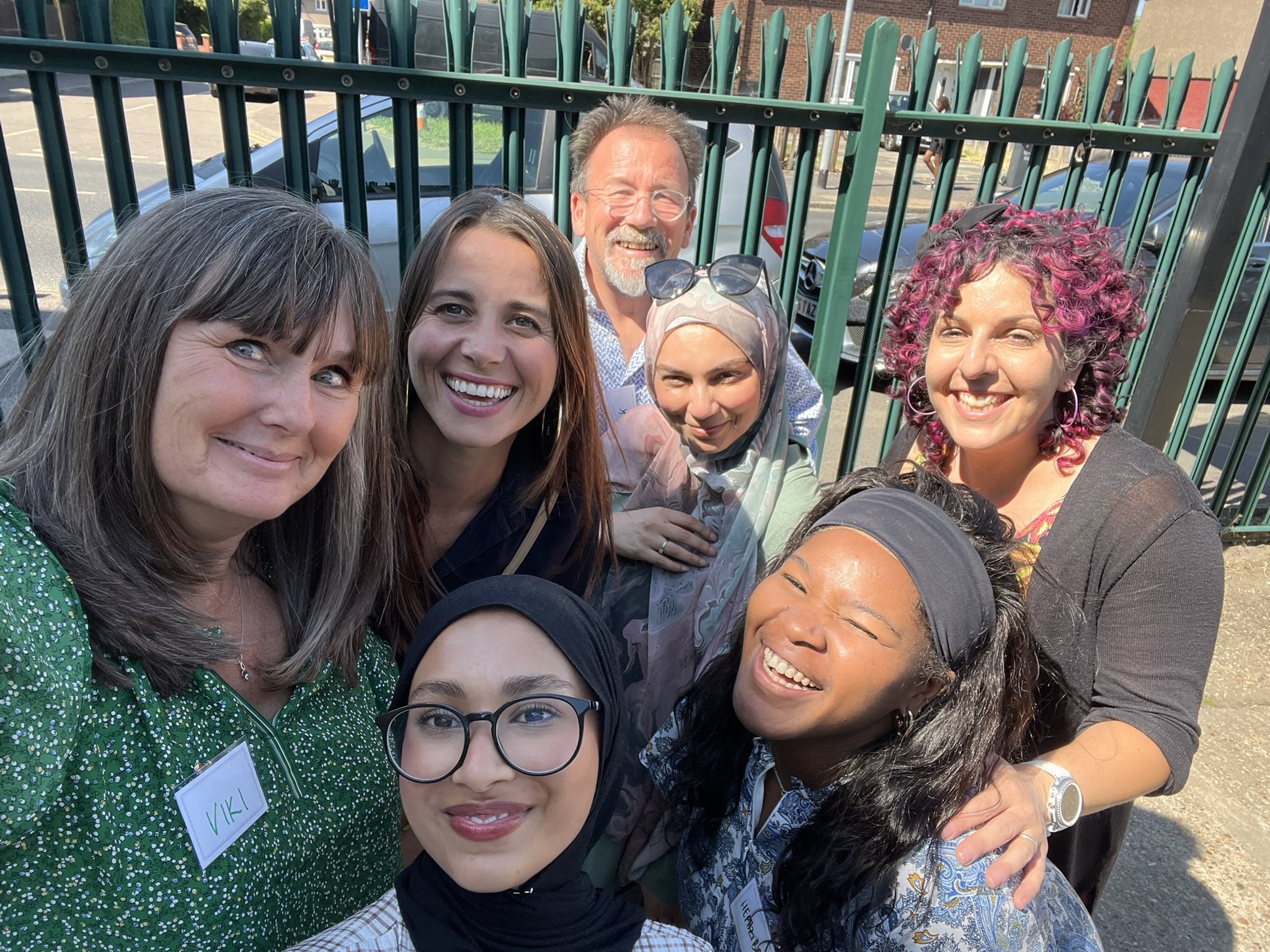
The CST staff team - still buzzing at the end of the day!
Out on the streets
On 13 October, our Director Mark Ereira-Guyer is back in Dagenham with local councillors and Pride in Place board members. They'll walk around, chat to residents and do a litter pick together. If you are based in LBBD and want to join them contact Mark (mark@civilsocietyconsulting.co.uk) - there will be tea and cake to end the day!
Next stop: Burnley
We're also taking the same approach north. Burnley: An Honest Conversation takes place on Wednesday 18 November at Burnley Mechanics Theatre. Led by a cross-sector steering group, the event is very much by Burnley, for Burnley – we're there as facilitators, bringing our framework, energy, experience and learning from other areas. If you are local to Burnley, come!
Could your area be next?
If you'd like your area to have its own honest conversation about how people connect, and what would help them connect more, we'd love to hear from you. Every conference we run is shaped with local public sector, voluntary, community and faith leaders, so it is shaped by and belongs to the place. If needed, we’ll stay beyond the event to bring to fruition the ideas and ambitions of the people in the room. This is your invitation to get in touch, or email Natasha at natasha@civilsocietyconsulting.co.uk
