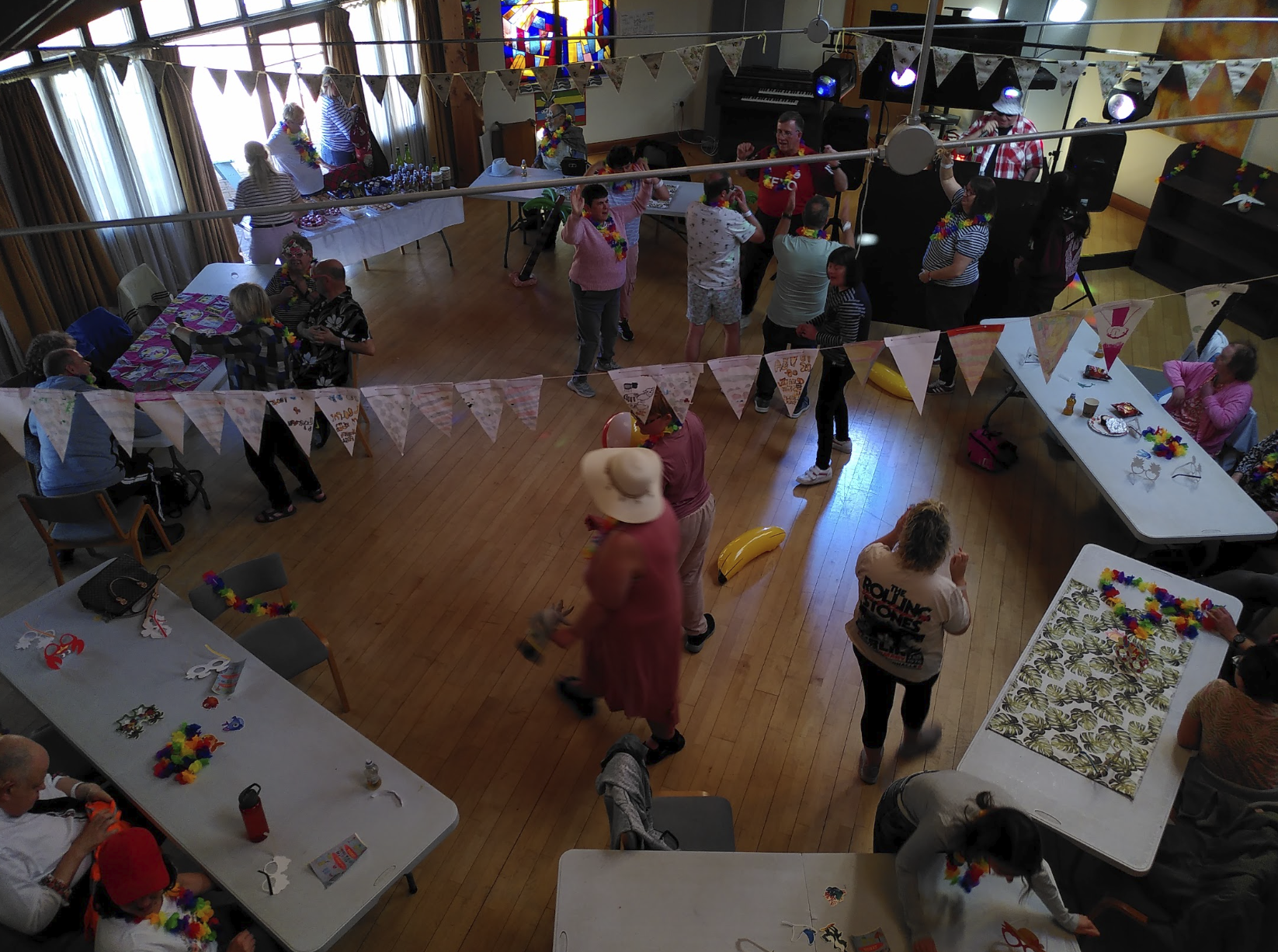
What happens when we stop treating adults with learning disabilities as a problem?
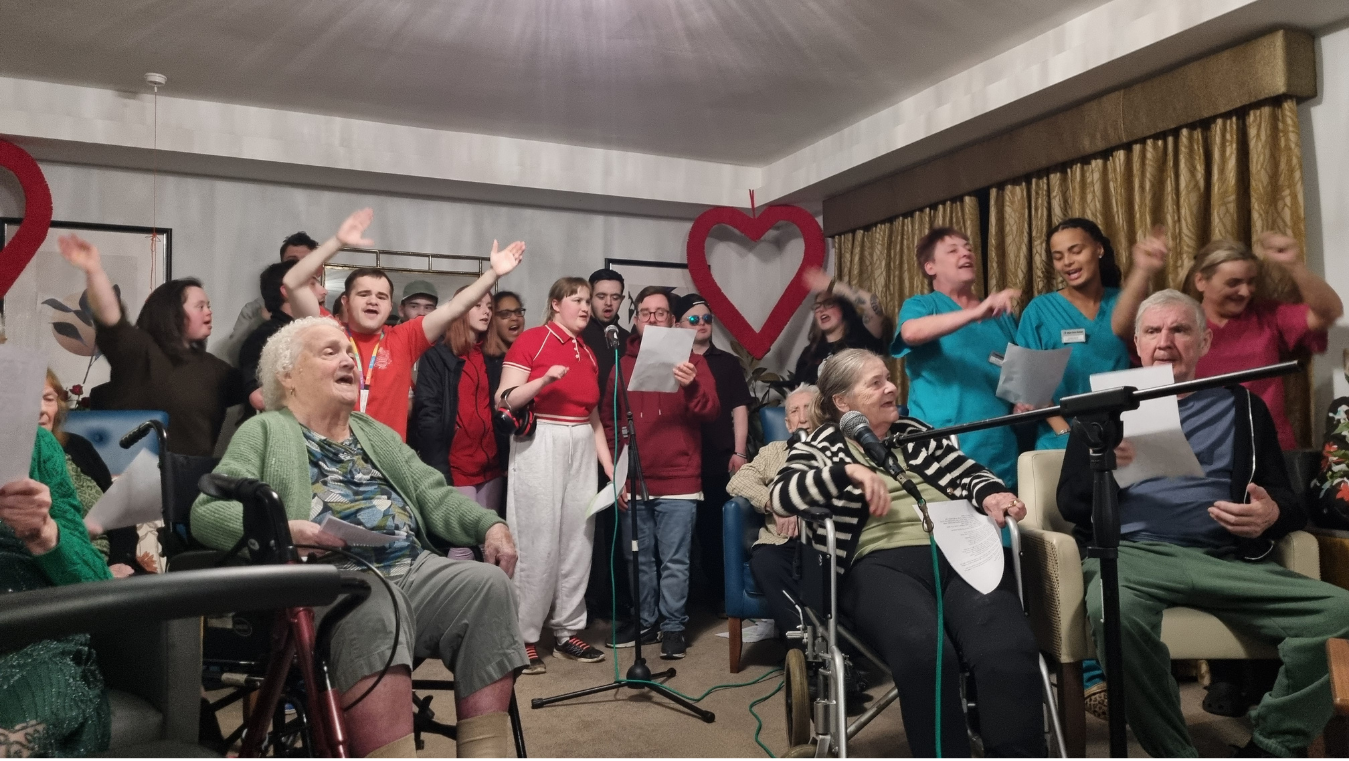
What happens when we stop treating adults with learning disabilities as a problem? Let’s imagine.
This spring, we carried out an independent impact evaluation of Middlesbrough First - a small but mighty organisation that works with and for adults with learning disabilities in and around Middlesbrough.
It is not an easy time to be a grassroots charity, and Middlesbrough First runs on remarkably little. But its impact is disproportionately large, and we think the whole sector has something to learn from it. Keep reading to find out why.
Meet Anthony
Anthony is an adult with learning disabilities - and a member of Middlesbrough First. He loves drawing. He studied fine art at college, but left when his mum was diagnosed with cancer, and he didn't draw for five years.
During lockdown, on his daily walks, Anthony developed a new crafting technique. He brought it to Middlesbrough First, and they suggested he teach it to other group members, which went wonderfully. Anthony went on to teach it to children in an SEN school.
"When I first see people, they're quiet, face down. After a session, a couple of weeks later, they start to open up. That's wonderful."
- Anthony
That's what happens when you stop treating adults with learning disabilities as a problem, and instead recognise their value. That's what Middlesbrough First is all about: supporting people with learning disabilities to discover what they are capable of, to speak up and protect their rights, and to access the things that give life meaning.
Life in the bubble
Every day, adults with learning disabilities are written off, sidelined from civic life and treated like a problem that needs to be solved. Yet they have extraordinary things to offer: skills, creativity, insight and a civic voice. Almost none of it ever leaves what the report calls "the bubble": a world parallel to everyone else, built not through ill-intent but through habits, assumptions and polite avoidance.
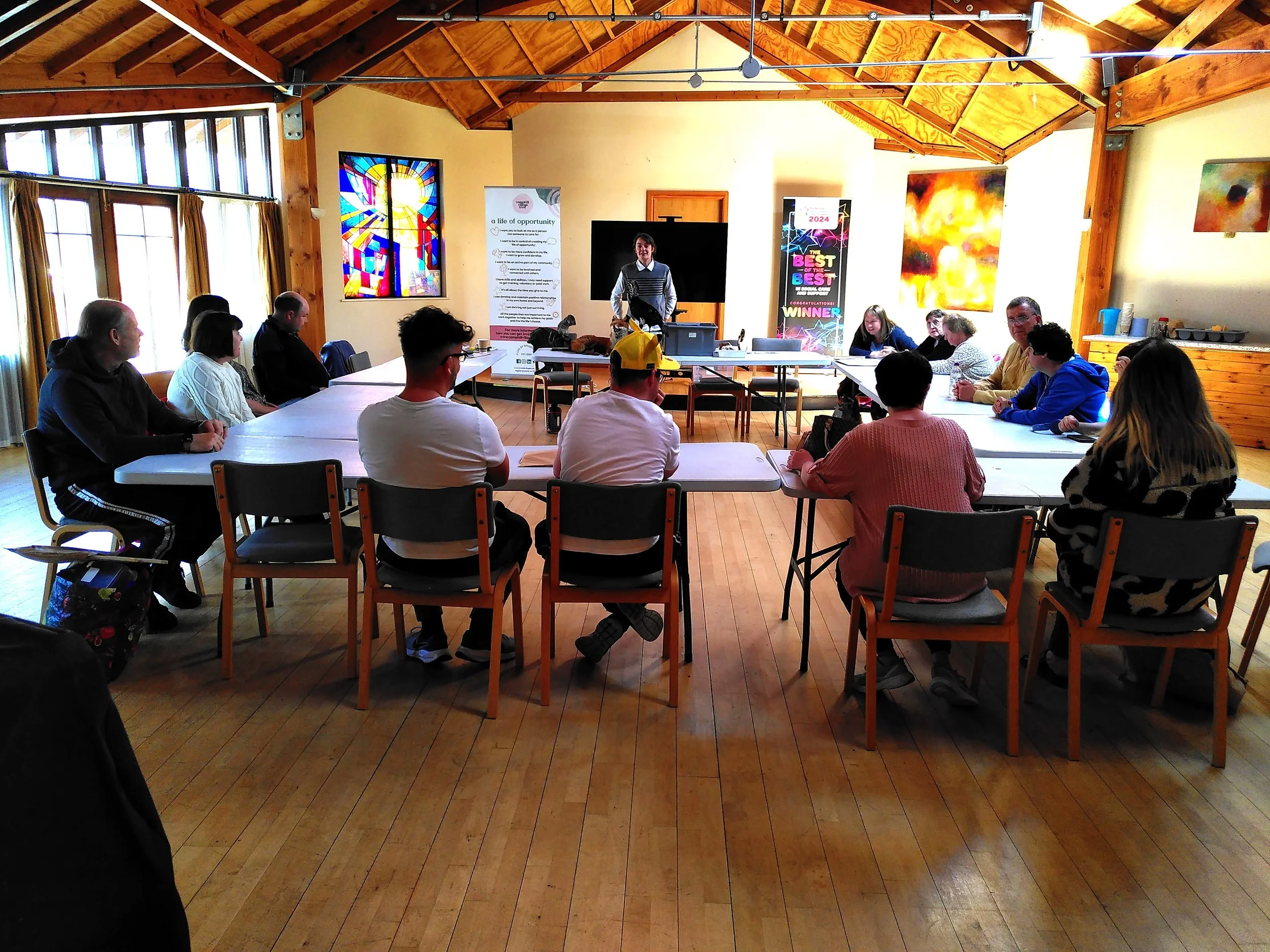
The theme for this year's Learning Disability Awareness Week was "Do You See Me?". For as long as people with a learning disability stay enclosed in specialist provision, they are not seen. They miss out on being valued in the wider world, and society misses out on their perspectives, creativity and energy. This creates a set of problems that we don’t need to have.
British culture is famous for its politeness, which of course can be a positive. Here, though, it means looking away. We do not know how to be around people with learning disabilities, and that has led to their isolation.
"If we treat adults with learning disabilities like a problem, they become a problem. But if we start from their strengths we can get ahead of that - we create positive outcomes and we are on the front foot, not the back foot."
- Natasha Ereira-Guyer, Civil Society Together
A completely different question
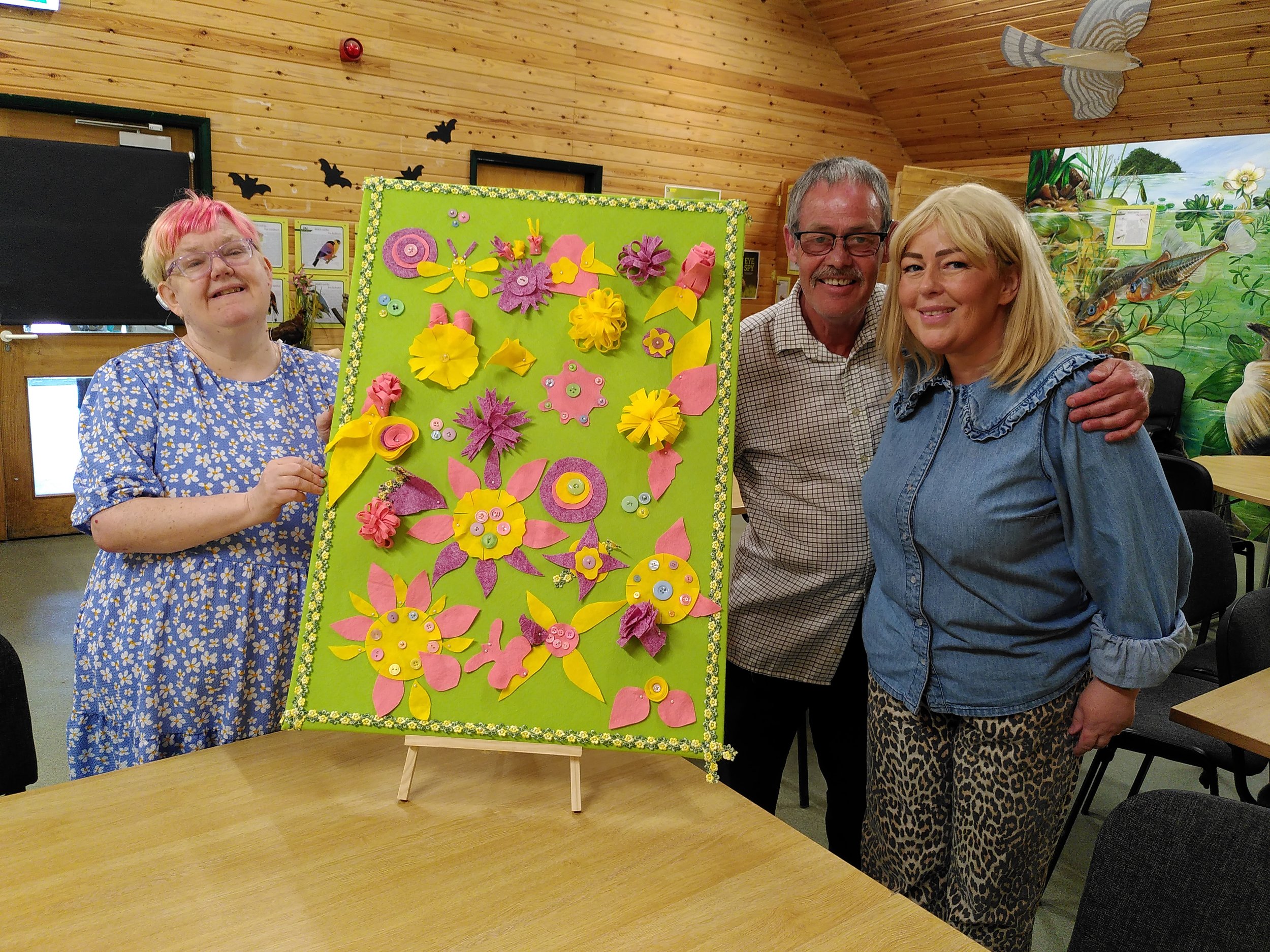
Middlesbrough First starts with a completely different question. Not "what do you need?", but "what can you do?", "what are you interested in?" and "what do you want to try?". And, just as importantly, "how do we get that out in the world where it belongs?".
"Everyone needs a good reason to get out of bed in the morning. The basics - the bread - that's covered. The stuff that makes your heart sing: that's Middlesbrough First."
- Ruth Wood, Manager, Middlesbrough First
What we found is that this approach is not only morally right, it is also a way of getting on the front-foot with prevention – the surest way of preventing negative outcomes is by actively creating positive outcomes.
What we found
Our evaluation found six connected themes that define Middlesbrough First's impact.
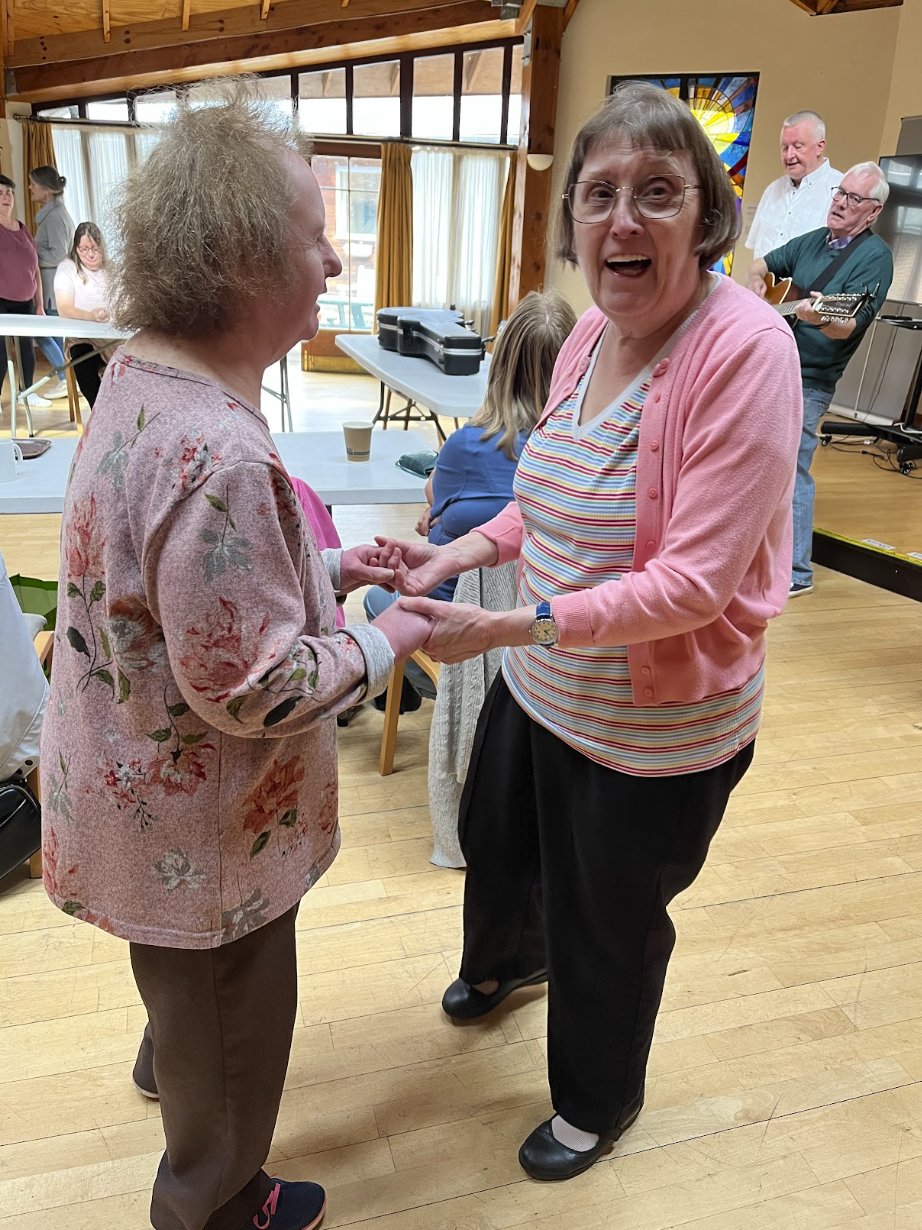
The first is the move from surviving to thriving. The statutory system provides the basics. Middlesbrough First provides purpose, aspiration, connection and the conditions for a life with meaning. None of this comes with a care package, but its absence is what keeps people isolated, disengaged and, over time, invisible.
Lived experience is at the core. People with learning disabilities govern Middlesbrough First. They sit on the board, shape strategy and inform recruitment. One board member now advises Middlesbrough Council on how to communicate with people with learning disabilities.
That builds confidence and voice. Group members learn to speak up for themselves, challenge mistreatment and take part in civic life. When they decided the speed limit on a road near Larchfield was unsafe, they campaigned and got it reduced.
"The bus driver was rude to me today and I told him: no, you cannot talk to me like that. Because I'm more confident now."
- Group member
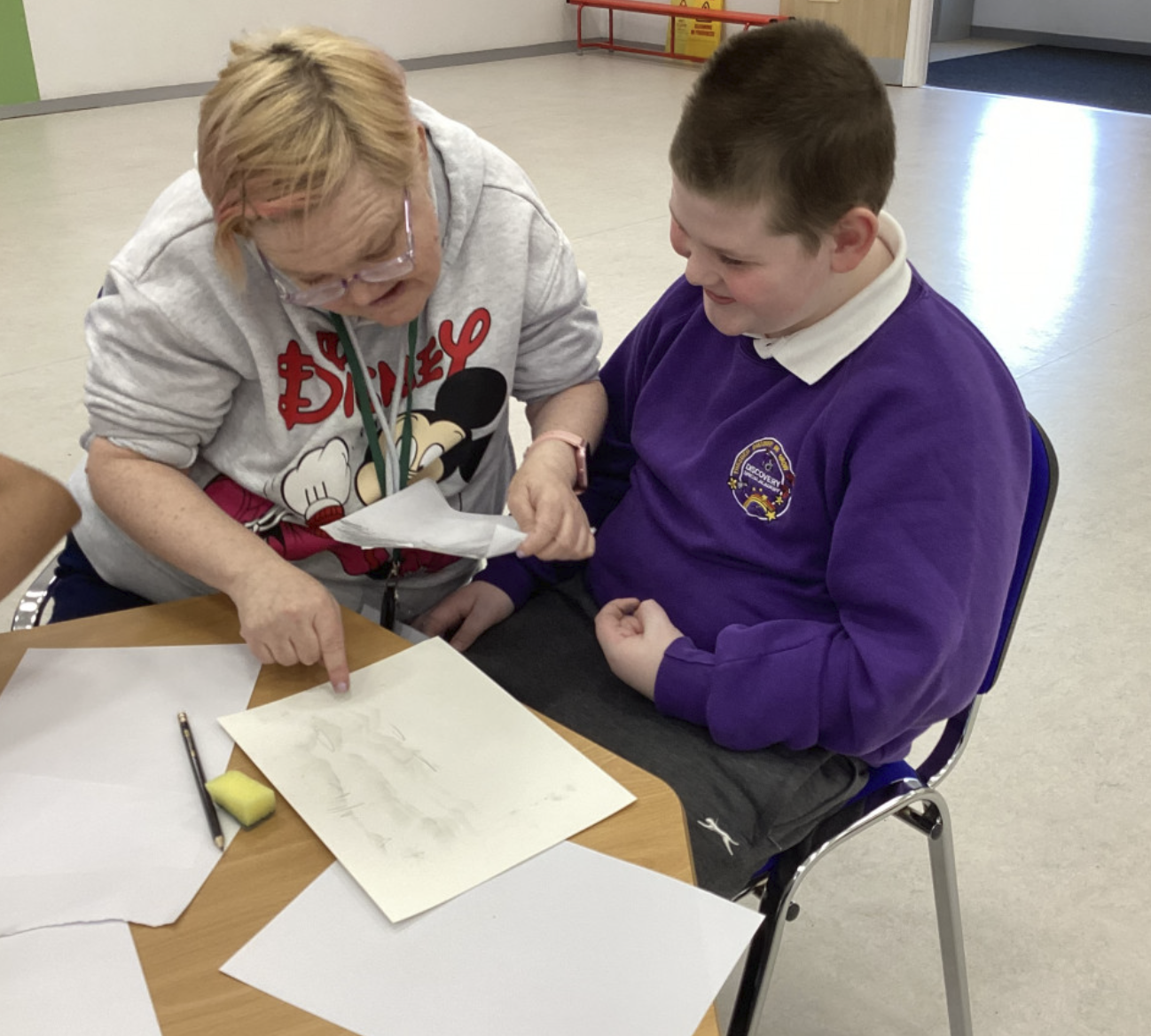
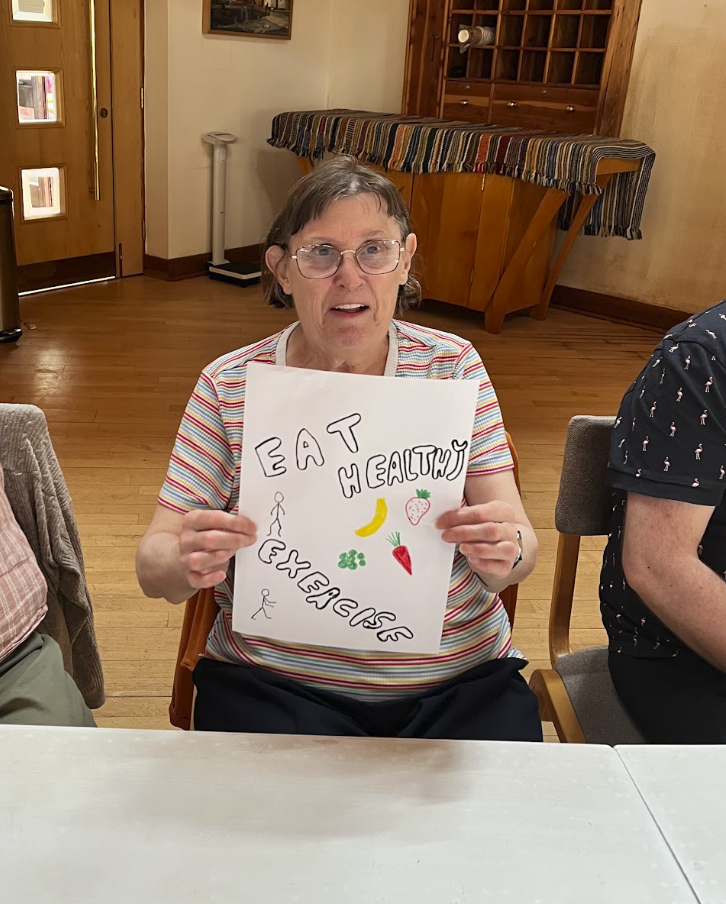
Alongside this comes practical skills and independence: managing their own health, writing a CV, cooking and travelling independently. Creative expression is the catalyst, the soft entry point to everything else, as Anthony shows. And trust is the enabler. Middlesbrough First is known, present and trusted in community spaces in a way that statutory services structurally cannot be. That trust leads to everything else.
By calling on and leading with people's strengths, instead of treating them as a problem, Middlesbrough First gets on the front foot with prevention.
Changing the system, one appointment at a time
Middlesbrough First also changes how the institutions around people behave, which is what we mean by systems change.
When a group member's ophthalmology appointment was inaccessible and caused unnecessary anxiety, Middlesbrough First challenged the practice positively and constructively. The practice came back and asked for help to improve, and now communicates differently with every patient who has a learning disability.
When Middlesbrough First asked the National Literacy Trust why it wasn't training people with learning disabilities as community literacy champions, the Trust changed its eligibility criteria and has since trained some of Middlesbrough First's group members.
The pattern across these examples is that the barrier is rarely hostile. Very often there is no intention to exclude, just a lack of awareness, impetus and know-how.
Small and mighty, but overstretched
Ruth, the manager, describes the "constant hunt for money": short grant cycles that bear little relationship to the long-term relationship-building the work depends on.
Statutory partners now informally rely on Middlesbrough First to fill gaps. Many adults with learning disabilities no longer have a social worker once a care package is in place, which leaves nobody to advocate for them. Middlesbrough First fills that gap without any commissioning relationship that recognises or funds it. If its capacity were reduced, those gaps would reappear in the statutory system immediately.
Every partner we spoke to named Ruth and Julie McGee, the Chair, as irreplaceable. When we asked Sharon Barker at Middlesbrough Council about the prospect of losing either of them, she said:
"I just pray every time I think about it that it doesn't happen."
- Sharon Barker, Middlesbrough Council
Dissolving the bubble
Middlesbrough First is a small organisation doing something huge. It is slowly dissolving the bubble by calling on and leading with the talent, passion and voice of adults with learning disabilities. "My voice matters." "You can't talk to me like that." "The council ask for my help." Every one of those is a sign the system is starting to shift.
Its ultimate goal is for adults with learning disabilities to become the go-to experts for organisations reflecting on their own practice. That is already starting to happen in Middlesbrough. The task now is to make it the norm everywhere.