

Systems Change in Practice
A workshop for grassroots organisations
What the heck is systems change? And how much of it are you already doing?
Funders are increasingly asking charitable organisations to show how they contribute to systems change - supporting people with their problems in the here and now, but ALSO helping to change the system that creates those problems in the first place.
We're fully on board with that. But we also know that for many grassroots organisations, systems change can sound complicated, abstract and out of reach. Many aren't yet clear what funders are expecting to see.
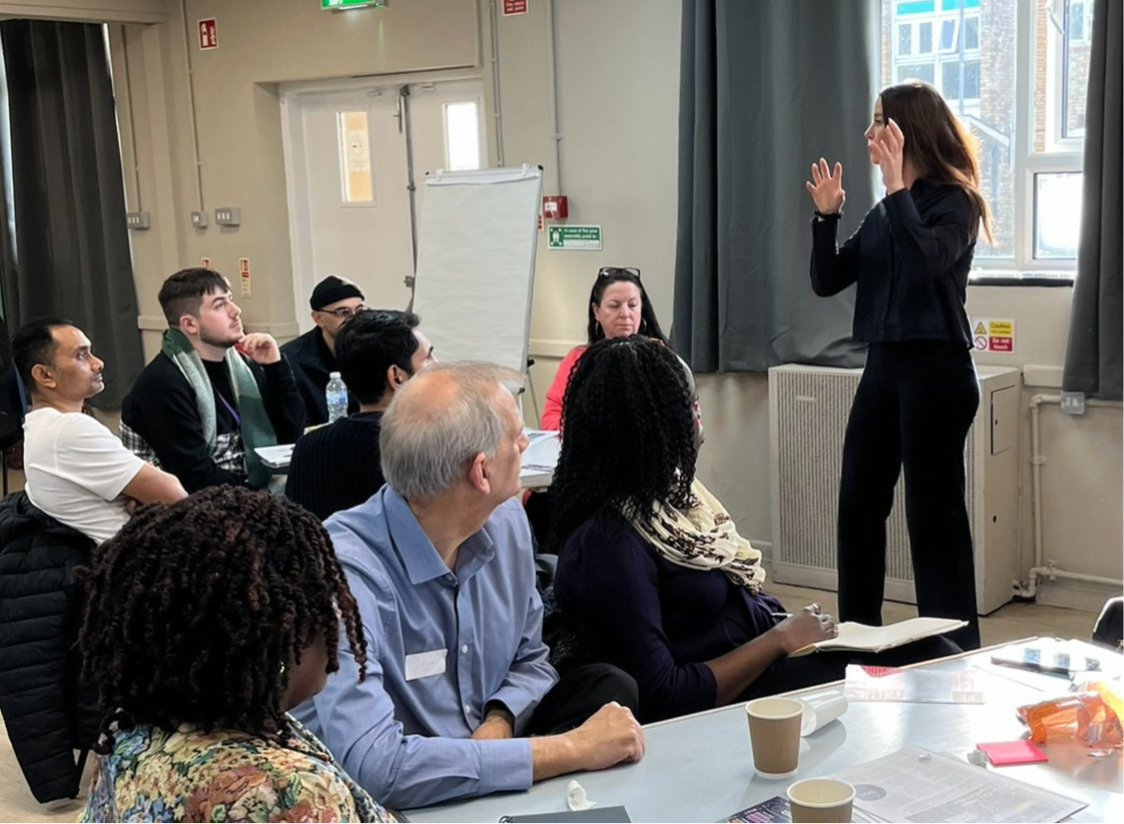
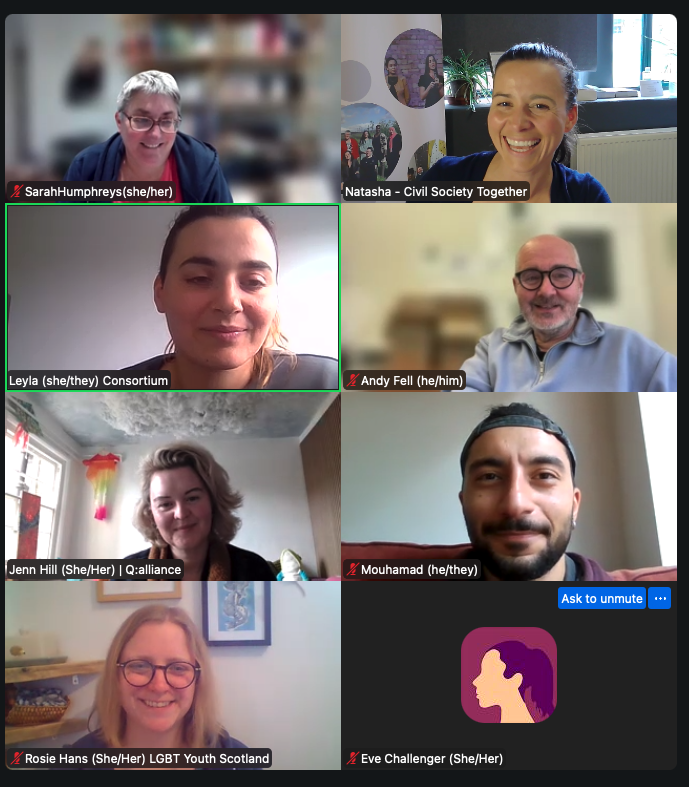
We’ve developed this ‘Systems Change in Practice’ workshop in partnership with LGBT+ Consortium. It cuts through the jargon to help you get to grips with the concept, showing what it looks like on the ground, clarifying what funders are really looking for, and how you can do more of it despite the very real challenges. Our hunch is that you're already doing more systems change than you think.
-
Many of the problems that charities, public services and community groups are 'fire fighting' have shared root causes. What we see day to day are the symptoms.
Systems change is about addressing those root causes by transforming the underlying structures, relationships, behaviours, attitudes and norms that shape how society operates. Take loneliness: most efforts focus on the symptoms, through befriending services, wellbeing sessions or medication. A systems change approach looks at what's creating widespread disconnection in the first place – work culture, the rise of digital platforms, cuts to public services, urban design and so on.
Grassroots organisations have particular superpowers that can be leveraged when it comes to systems change, because they see and understand how the system needs to change and can shepherd community voices towards the system.However, we have to be realistic (and funders have to be fair) - because systems change is not easy and can come at a cost.
-
Systems change is new language for an age old idea. It’s nebulous, and still means different things to different people.
We have created a workshop to help grassroots organisations build their confidence in the concept, and, crucially to better understand what funders mean when they say they want to see systems change. Most likely, you’ll start to realise that you may already be doing more systems change than you think.
We have created a workshop to help grassroots organisations build their confidence in the concept, and, crucially to better understand what funders mean when they say they want to see systems change. Most likely, you’ll start to realise that you may already be doing more systems change than you think.
-
Our expertise in systems change has grown from our delivery of Steps to Togetherness, our systems change evaluation of the LGBT+ Fund (commissioned by LGBT+ Consortium with The National Lottery Community Fund) and our work with grassroots organisations.
We hosted an online discussion with the Henry Smith Foundation, and two grassroots organisations. Over 70 people from across the statutory and VCSFE sector joined us and gave their two cents. What we concluded confirmed some theories we had already started to develop. We captured the key takeaways in a three-part blog series:
Part I: What funders look for and why you might be doing more systems change than you think
Part II: The challenges for grassroots organisations and some considerations for funders
It’s from this co-produced body of knowledge that we created the Systems Change in Practice workshop.
-
Together we will:
Define and understand systems change as a concept
Show what systems change looks like in practice, with real examples
Talk through what funders look for
Share what a systems change evaluation can look like
Be honest about the challenges – and share some ways to overcome them
Work through live examples from the people in the (virtual) room
-
Once we've got to grips with what systems change is, we share the conceptual framework behind our Steps to Togetherness movement.
We live in a hyper-individualistic society, and the systems that govern our lives create widespread disconnection. Human beings are hard-wired for community, so this leads to widespread loneliness. Loneliness doesn't just affect how we feel, it affects how we think and behave too – it can make us paranoid, irritable and resentful. Widespread loneliness creates the conditions for an intolerant and divided society. It's a vicious cycle: the more divided we are, the harder it becomes to change the systems that created the problems in the first place.
The good news is that we can all do our bit to break that cycle. By building connection within and between communities, we create the conditions for solidarity – and solidarity creates the conditions for systems change.
Grassroots organisations are already brilliant at building connection, which is one reason of many that you might already be doing more systems change than you think.
-
The workshop is designed for grassroots organisations – the staff, volunteers and leaders of small community groups, charities and CICs working tirelessly to lessen the impact of a broken system on the people they support.
That said, it's open to all. Larger charities, statutory teams and funders who want to understand systems change from the ground up are very welcome too.
It can be a wonderful combination if we have both types of people in the room - as there’s no greater way to learn from each other and start to blur the lines between the sectors.
Whoever you are, you don't need any prior knowledge of systems change (that’s the whole point!) Just bring your experience of the work you do and trust that you’ll leave feeling confident in the concept.
-
You'll come away with:
A clear understanding of what systems change is, without the jargon
A sense of what funders mean when they ask for it, and what they're looking for
The realisation that you're probably already doing more systems change than you think
The confidence to present the systems change work you already do, convincingly
Practical ideas for doing more systems change, despite limited capacity and resources
An introduction to the Steps to Togetherness framework, and the free 32 Steps to Togetherness resource
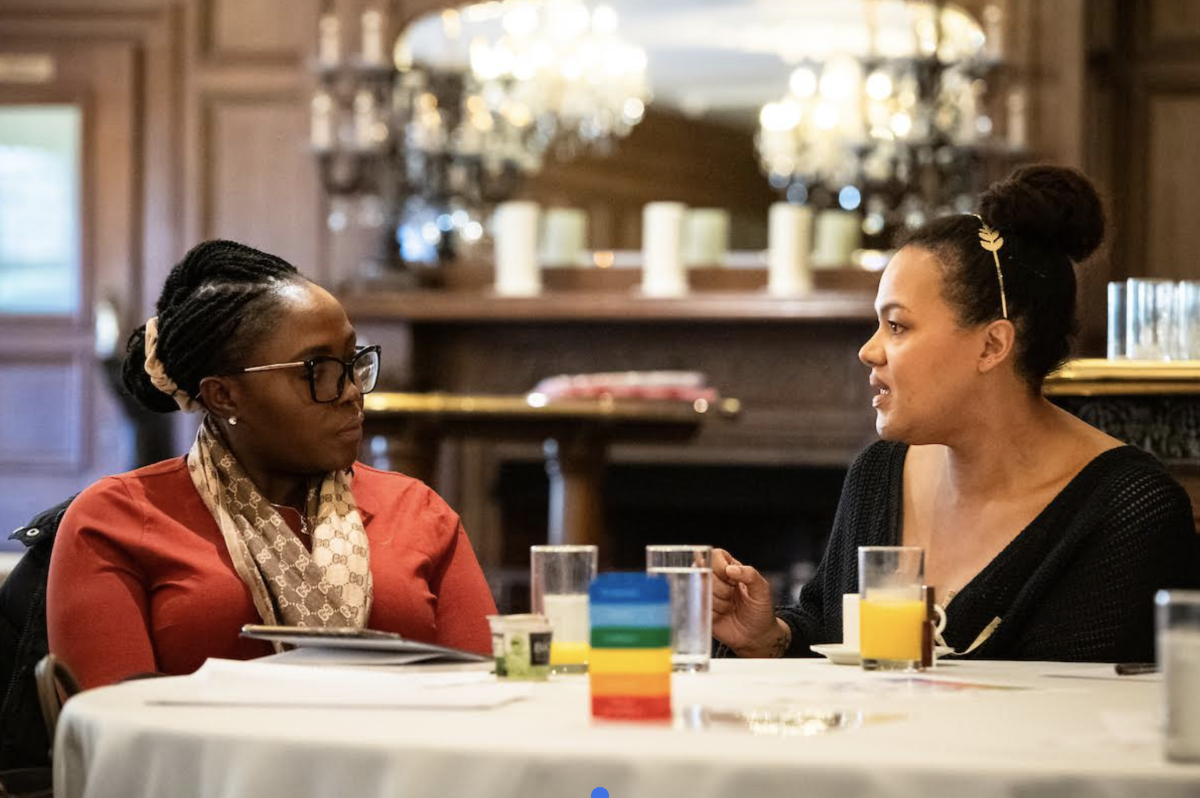
We’d love to chat about whether you would like to put on this workshop in partnership with us
What do people say?